
Just want the answer?
Fortress Fiction Verdict:
Yes. Harry Potter and the Sorcerer’s Stone is a strong, trustworthy starting point for kids and families.
If you want the short, decisive recommendation, you can read the full 2-minute Verdict here:
[Link to Fortress Fiction Verdict: Harry Potter Book One]
Prefer to listen instead of read?
If you want my full thoughts in audio form, you can listen to my complete discussion of Harry Potter and the Sorcerer’s Stone here.
This is a casual, reflective review, about 26 minutes long, where I talk through:
- tone
- themes
- structure
- comparisons to other fantasy stories
- what stood out to me rereading the book as a parent
[Audio Player – Full Review]
Harry Potter and the Sorcerer's Stone SKIMMING LEAVES |Story Over Everything 034.5 – Fortress Fiction
If you’d rather read, the full written guide begins below.
What this page is (and who it’s for)
This page is a parent- and reader-focused guide to Harry Potter and the Sorcerer’s Stone.
It’s written for:
- parents deciding whether to start the series
- families reading together
- readers encountering Harry Potter for the first time
- people revisiting the books because of renewed interest, including new full-cast audiobooks
This is not a spoiler-heavy breakdown and not a fandom deep dive.
The goal is simple:
to help you understand what kind of book this is, what it does well, and what your kids can expect.
Basic Context and Reading Level
Harry Potter and the Sorcerer’s Stone was written by J.K. Rowling and first published in the UK in 1997, with the US edition released in 1998.
Commonly cited metrics place it around:
- Grade level: 5–6
- Ages: roughly 8–11
- Length: ~223 pages, ~77,000 words
Those numbers are useful, but they don’t tell the whole story.
The book includes:
- British slang
- invented magical terms
- a large cast
- a full fantasy setting with rules and history
For some younger readers, the size of the book matters as much as vocabulary. That said, tone and structure play a much bigger role in accessibility than raw word count.
What Kind of Story Is Harry Potter, Really?
One of the most important things to understand about Harry Potter is this:
It’s not a pure fantasy series.
At its core, Sorcerer’s Stone is:
- a coming-of-age story
- told through an academy / school framework
- with fantasy layered on top
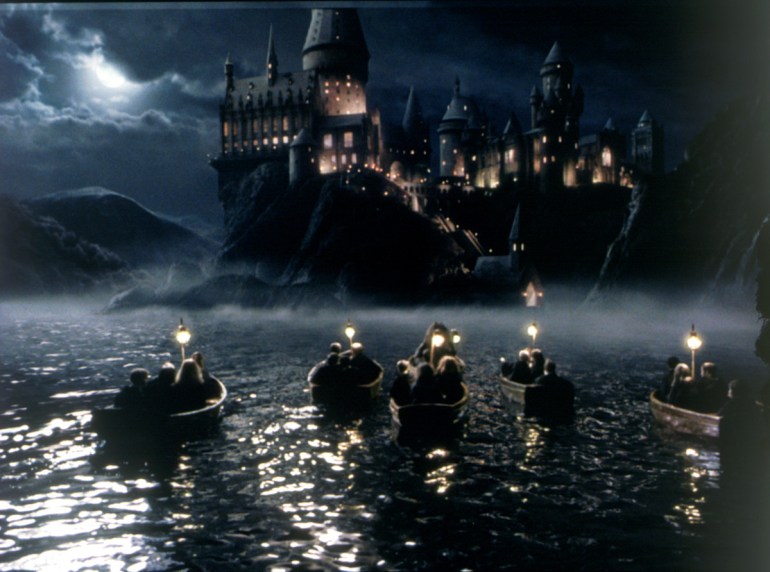
Hogwarts functions like a school first:
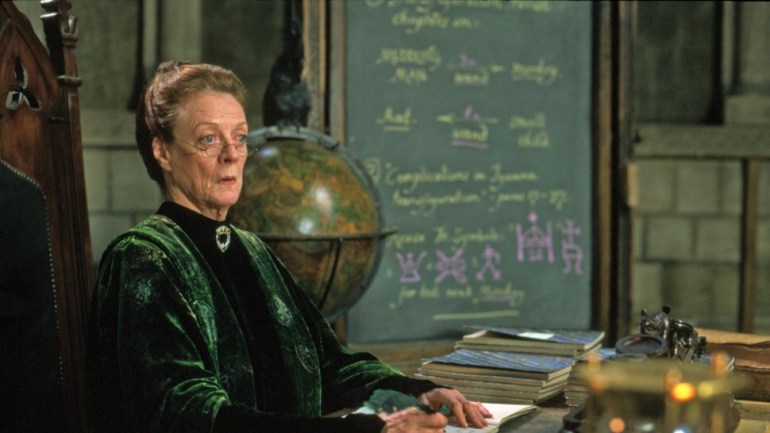
- classes
- teachers
- rules
- rival students
- exams
- schedules
That familiarity grounds the magic and makes the story immediately relatable to kids who already live inside school systems.
Why Harry Works as a Protagonist
Harry Potter begins the story as an orphan living with relatives who mistreat him.
This isn’t just background tragedy — it actively shapes who he becomes.
Because of the Dursleys, Harry develops:
- independence
- resilience
- moral awareness
- a willingness to question authority
The adults in his early life are authority figures, but they’re corrupt and cruel. If Harry obeyed blindly, he’d be crushed.
Instead, he learns when it’s right to say no.
That trait carries forward into the wizarding world and becomes one of his greatest strengths. Harry isn’t compelling because he’s powerful — he’s compelling because he’s awake.
Found Family and Belonging
At its emotional core, Sorcerer’s Stone is about found family.
Hogwarts gives Harry:
- friendship with Ron and Hermione
- guidance from figures like Hagrid and Dumbledore
- a surrogate family in the Weasleys
The contrast between Harry’s home life and his school life is sharp and intentional.
Many kids experience school and home as two separate worlds. The book reflects that reality honestly, and it makes Harry’s longing to stay at Hogwarts feel earned rather than rebellious.
Tone: Is It Too Dark?
This is one of the most common parental concerns.
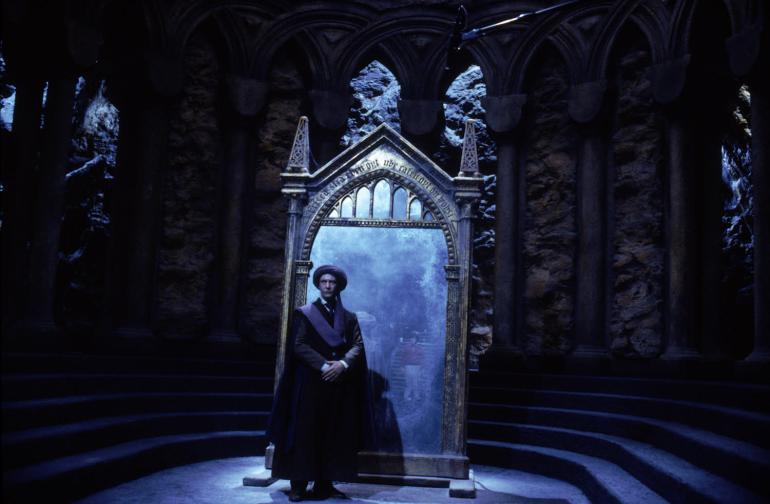
Book One includes:
- danger
- a villain
- moments of fear
- references to death
But it does not dwell in darkness.
The tone remains:
- measured
- structured
- emotionally safe
- morally clear
If parents worry about the Harry Potter series “aging up,” that concern belongs to later entries. Sorcerer’s Stone itself is restrained and appropriate for its audience.

Planning, Structure, and Long-Term Payoff
Rereading Sorcerer’s Stone makes it clear that this is not a haphazard book.
Rowling seeds ideas early:
- character backstories
- mysterious details
- future conflicts
Characters like Hagrid aren’t just quirky introductions. Details introduced casually in Book One reappear later with purpose.
This gives the story weight without making it heavy.
Familiar Rhythms Make the Magic Safer
Another reason the book works so well for kids is that ordinary life continues alongside the magic:
- meals
- holidays
- dorm rooms
- friendships
- routines
Even fantastical elements are framed through normalcy.
That balance makes the story feel safe while still wondrous.
A Note on Fantasy Tropes
Like many classic children’s fantasy stories, Sorcerer’s Stone uses a familiar trope where the young hero is removed from the final battle and later told what happened.
This appears in works by Tolkien, C.S. Lewis, and Lloyd Alexander as well.
It’s a curious storytelling choice, and not always emotionally satisfying, but it’s part of a long tradition in the genre.
Overall Takeaway for Parents
Harry Potter and the Sorcerer’s Stone succeeds because it:
- balances wonder with structure
- gives kids a resilient, thoughtful hero
- emphasizes belonging over spectacle
- introduces danger without despair
- sets up a larger story without overwhelming the reader
It earns its reputation as a strong entry point.
Want the short version again?
If you just want the bottom line:
[Fortress Fiction Verdict: Harry Potter and the Sorcerer’s Stone]
And if you want the longer conversation, the full audio discussion is available above.
About Fortress Fiction
I review and analyze books with a focus on:
- kids
- families
- middle grade readers
- long-term storytelling quality
You can explore more at MJMunoz.com.
 MJ Muñoz