RSS Feed | Podcast Index | Spotify | Amazon Music | Samsung Podcasts | Listen Notes
Apple Podcasts | Google Podcasts | Pandora | Tune In | Stitcher | iHeartRadio | Deezer
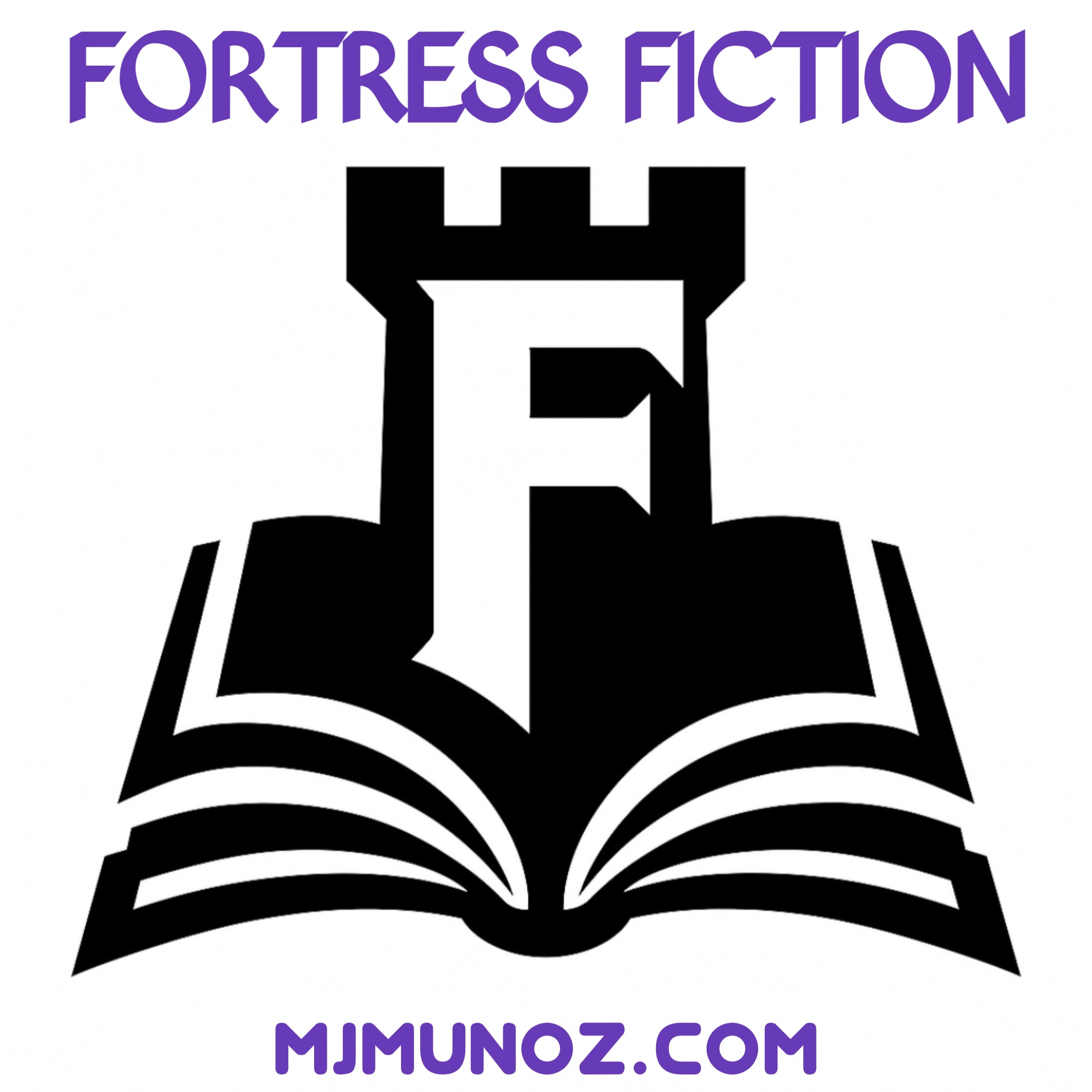
The Wind in the Willows – Fortress Fiction 12 |SOE 060 – Fortress Fiction
Join MJ as he talks about The Wind in the Willows by Kenneth Grahame (1908) – in which we see the adventure of a riverbank community of animals including Mole, Rat and Toad.
#amreading #middlegrade #bookreview #Book #Fantsy #FOTRESSFICTION
LINKS
How To Read
The book can be borrowed FREE from CloudLibrary, Project Gutenberg and Librivox, your local library or purchased from the publisher’s site and many online retailers including in audiobook format as well from KOBO, audible.
Other Works by the Author
Note: The inclusion of these other works of the author is not an endorsement of them.
- Pagan Papers (1894)
- The Golden Age (1895)
- The Headswoman (1898)
- Dream Days (1898), including “The Reluctant Dragon“
- The Wind in the Willows (1908)
Blog Version
The Wind in the Willows: A Whimsical Classic with Mixed Messages
I’m MJ, and today we’re diving into Kenneth Grahame’s 1908 classic, “The Wind in the Willows.”
Quick Facts
- Published: 1908
- Main characters: Mole, Rat, Badger, and Toad
- Setting: A riverbank community of anthropomorphic animals
Where to Find the Book
- Free options: Cloud Library, Project Gutenberg, LibriVox, local libraries
- Purchase options: Publisher’s website, online retailers, Kobo, Audible
Key Points
- World-building: The book presents a strange blend of animal and human society, with inconsistent depictions of size and integration.
- Character Analysis:
- Toad: A problematic character, often immoral but central to the story
- Mole, Rat, and Badger: More positive characters with compelling relationships
- Narrative Style: Meandering plot with moments of absurdity and whimsy
- Prose vs. Story: The prose is stronger than the story, which is stronger than the morality
- Tolkien Connection: Reportedly a favorite of J.R.R. Tolkien, with some elements reminiscent of his works
Final Verdict
While enjoyable and well-written, “The Wind in the Willows” doesn’t earn a place of honor in Fortress Fiction. Its mixed messages and problematic main character make it less suitable for young children, though it may appeal to young teens and adults who enjoy whimsical tales.
Personal Thoughts
I found the book entertaining at times, with some laugh-out-loud moments. However, Toad’s character and the meandering narrative were frustrating. The charm and literary flair are evident, but the moral ambiguity prevents it from being a foundational work for Fortress Fiction.
What are your thoughts on “The Wind in the Willows”? Do you agree with my assessment, or do you see more value in its place in children’s literature? Let me know in the comments!
Until next time, keep reading and exploring new worlds through books!
This is MJ, signing out. Stay curious and keep those pages turning!
 MJ Muñoz