Kamen Rider Zeztz 15: Baku Finally Becomes the Rider He Needed to Be – Rider Tears
Watch Analysis
Zeztz Episode 15 Review: Defiance and the Making of a True Rider
Episode 15 of Zeztz is the moment Baku finally clicks for me.
I have waffled on him for a while. Early on, he felt a little too goofy, a little too much like a loser protagonist without enough grounding. Then it looked like he might get a job with the police, which felt like a stabilizing move for his character, but that did not pan out either. For a while, Baku felt stuck in between versions of himself.
This episode changes that.
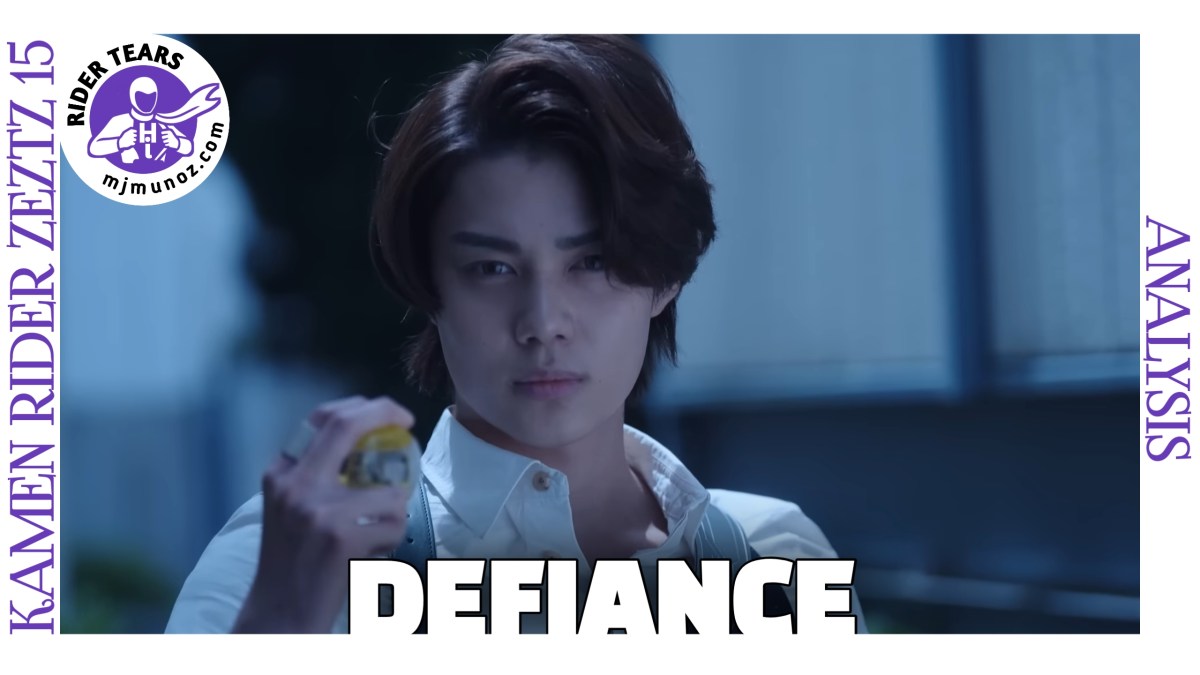
Episode 15 is not about spectacle or upgrades. It is about defiance. It is about Baku stepping out of Zero’s shadow and choosing his own will, even if that means breaking the rules of the system that gave him power in the first place.
Baku, Zero, and the Problem of Obedience
One of the most interesting dynamics in Zeztz is the relationship between Baku and Zero. Zero is not just a superior or a mentor. He is someone Baku idolized long before this story began. Zero represents the dream Baku wanted to belong to. Code, the organization, feels like something Baku dreamed himself into before discovering it was real.
That makes obedience complicated.
When Zero gives orders, Baku listens. Not because he is weak, but because Zero occupies a mythic role in his life. Zero is authority, destiny, and validation all at once. That is why it matters so much when Baku begins to act independently.
In Episode 15, Baku does exactly that.
The Nightmare Was the Enemy, Not Nox
Zero’s order was clear. Eliminate the target.
Baku does not follow it the way Zero intended.
Instead of destroying Nox, Baku destroys the Darkness Nightmare. This is a crucial distinction. Nox has been helping the Nightmares, yes, but Baku recognizes that the Nightmare itself is the true enemy. That choice matters, because it is the first time Baku openly prioritizes his own moral judgment over Zero’s command.
He even leaves his phone behind.
That small action feels deliberate. It reads like Baku intentionally cutting Zero off, preventing surveillance, choosing privacy, and acting without permission. For a Rider story, that is a massive character beat.
Dreams, Awakening, and Uneasy Resolution
Both Baku and Odaka are trapped in dreams in this arc. Neither can truly wake up. The Darkness Nightmare is the barrier keeping Odaka asleep, and by defeating it, Baku allows Odaka to awaken.
But the episode does not frame this as a clean victory.
Odaka waking up feels ambiguous. It is unclear whether this is a good thing or a terrible mistake. The episode ends with an uneasy calm rather than triumph, suggesting that destroying the Nightmare may have consequences that are not immediately visible.
That ambiguity is one of the episode’s strengths.
Capsems, Power, and Mental Resolve
Something else important happens in this episode. Baku regains access to all of his Capsems. Previously lost or destroyed abilities return. Zero even remarks that they seem to be “of one mind,” which allows Baku to access this power again.
That line stood out to me.
It suggests that power in Zeztz is not purely mechanical. It is psychological. Mental alignment matters. Resolve matters. Belief matters.
Baku’s newfound strength does not come from obedience. It comes from conviction.
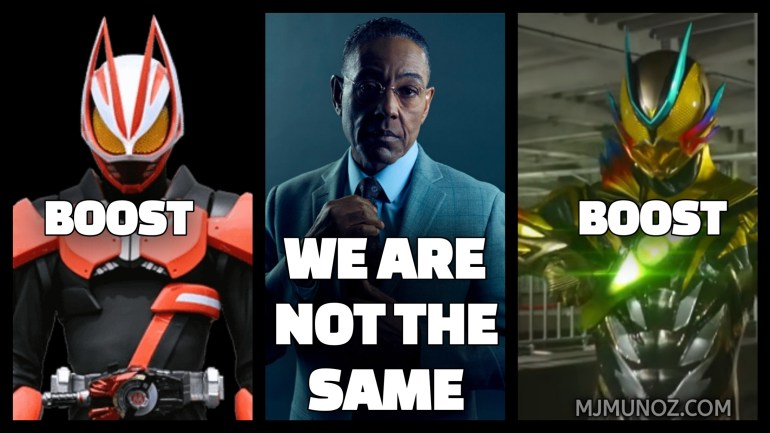
This is also where the new boost Capsem appears. I did not love the look of it, but thematically it works. Baku is no longer borrowing power. He is taking ownership of it.
Rebellion and the Spirit of Kamen Rider
At its core, Kamen Rider has always been about rebellion.
The Rider uses the enemy’s power but refuses the enemy’s will. He is created by a system and then turns against it. He becomes a betrayer, but for righteous reasons.
Baku is stepping into that lineage.
By disobeying Zero, by refusing to eliminate Nox, by choosing to destroy the Nightmare instead, Baku is actively rebelling against the system that empowered him. He is not rejecting responsibility. He is redefining it.
That feels very much in the spirit of classic Kamen Rider.
Is Baku Becoming Something Dangerous?
There is an uncomfortable question hanging over this episode.
Is Baku becoming something darker?
The Plasma form, with its yellow accent paired with green, visually echoes the idea of a Rider born from corruption. It even brings to mind the idea of Riders created to destroy other Riders. The episode flirts with the idea that rebellion and corruption might not be cleanly separated.
Baku is breaking protocol. He is violating orders. He is choosing his own will over Zero’s.
That is heroic, but it is also dangerous.
And Zeztz seems very aware of that tension.
Final Thoughts on Zeztz Episode 15
Episode 15 is not perfect. There are things I did not love about the visuals, and there are lingering questions about the mechanics of the world. But thematically, this episode is strong.
It reframes Baku as a Rider who is no longer just reacting, no longer just obeying, and no longer just chasing a dream someone else handed him.
He is choosing.
That choice, that defiance, feels like a turning point for the series. Whether it leads to salvation or disaster remains to be seen, but it finally makes Baku feel like the kind of protagonist Zeztz has been building toward all along.
If this arc continues to explore rebellion, agency, and the cost of breaking away from control, then Episode 15 may end up being remembered as the moment Zeztz truly found its footing.
Drop a comment below or tag me @MJ_Scribe on Twitter. Let’s have some fun talking about this.
If you enjoy thoughtful stories for kids and families, check out my book Mockwing Mayhem. It is a heartfelt adventure about magical bugs battling monsters and protecting children.
You can find more of my reviews, reflections, and stories with spine at mjmunoz.com, and join the mailing list there for behind the scenes updates and new releases.
Bonus Reflections
The Boost That Didn’t Land
I have to be honest. I think Zeztz’s new boost was weak.
When you put it next to previous Rider boosts like Gates, Magnum, or even the various speed and power boosts we’ve seen in past seasons, it just does not hit the same. The design feels underwhelming, and the way it was used in Episode 15 did not sell it as something powerful or special.
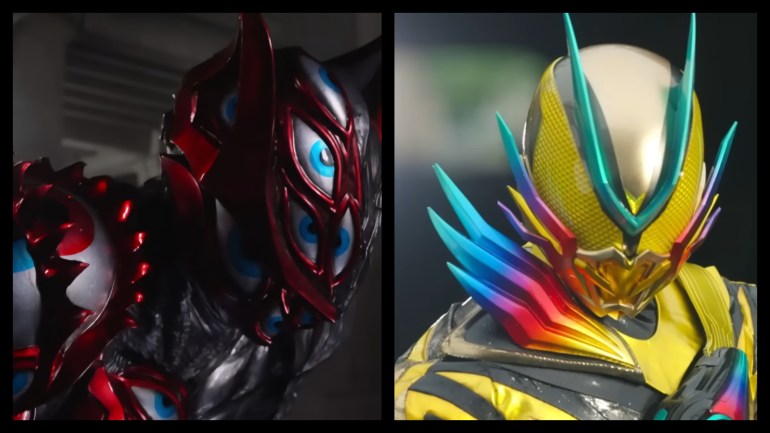
What makes this more frustrating is that the episode gives us a peak monster design in the Darkness Nightmare. Visually, that Nightmare looks incredible. When you compare the two side by side, the Nightmare completely outclasses the boost in terms of presence and intimidation.
So I keep coming back to the same question: if you look at both of them honestly, which one actually feels cooler?
For me, it is not even close. And that contrast makes the boost feel like a missed opportunity rather than a true escalation.
A Theory About Nox After Episode 15
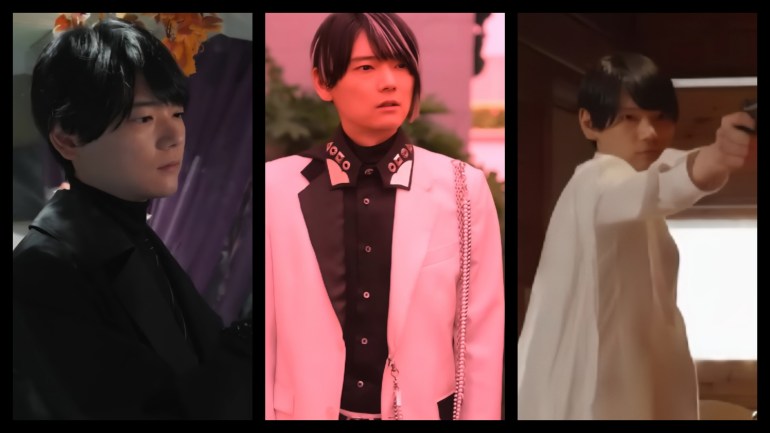
I have a theory coming out of Episode 15 that I cannot shake.
I think Nox may be a combination of light and darkness, and when he was awakened from the dream, it is possible that more than one version of him was released. Not twin brothers, but something closer to a split. A real self and a nightmare self. A good version and a corrupted version.
The Darkness Nightmare itself has strong red and blue elements, and that immediately caught my attention. Nox’s upcoming upgrade also features red and blue prominently. That visual connection feels intentional, not accidental.
If defeating the Darkness Nightmare released something rather than sealing it, then Baku’s choice in this episode may have caused things to go very wrong. We may eventually see a confrontation between a good Nox and a corrupted Nox, or a situation where Nox must be freed from the darkness still inside him.
That also raises another question.
Why did Zero want Odaka eliminated?
Was it to seal the darkness permanently? Or was Odaka’s existence preventing something else from fully emerging? Episode 15 frames Zero’s motives as increasingly suspicious, and I do not think we are meant to trust his version of events at face value anymore.
Whatever the answer is, Episode 15 feels like the point where the dream truly fractures and the consequences begin.
 MJ Muñoz