Why Henshin Rituals Still Matter – Rider Tears
VIDEO
Every henshin hero story carries a ritual. Whether it’s a shout, a gesture, a pose, or the press of a button, that moment of transformation is more than a mechanical trigger. It’s a declaration of self. Across decades of shows and manga, from Ultraman and Kamen Rider to Power Rangers and Guyver, these transformations have evolved from simple activation to sacred ceremony. They turn technology into theater, emotion into action, and intention into identity. Even when the ritual seems to disappear, it lingers beneath the surface, reminding us that every act of transformation, on screen or within ourselves, needs a moment of recognition to make it real.
The Necessity of Ritual
This one is about the necessity of ritual in transformation in our henshin hero shows, and maybe even beyond that, how ritual has been used across the genre. There’s a range to it: sometimes you have to activate a device, sometimes it’s instinctive. It always feels like there’s some hidden meaning there. But even at the base level, it’s just cool.
It looks cool, it feels cool, and that matters. The cool factor is a big part of why these stories work. You want people to like them and be drawn in. If it’s flat or weak, it doesn’t pop. But someone raising their arm, hitting a button, shouting a word, and instantly transforming into an armored form who can destroy the monster that just hurt their friend or a random civilian, that’s powerful. Just describing it sells it. It shows why it’s important and why it’s good.
What I Mean by Ritual
By ritual, I mean saying and doing things at a particular time, in a particular way, with particular intention and meaning behind them. It’s not enough to just do them correctly. You have to do them with heart. There has to be a reason, whether that’s obligation or something deeper.
A ritual puts you in the right place to do the right thing. You can be a monster who ritualistically attacks the weak, or a hero who prepares through ritual to protect others. That’s the difference: intention. A ritual gets you into the zone before the fight. It’s what separates obsession from purpose. Sure, there are smaller, joyful rituals in real life, like a morning coffee or a piece of chocolate every night, but henshin heroes aren’t about comfort. Their rituals are about readiness, will, and identity.
Impact and Coolness
I remember watching Bio-Booster Armor Guyver on old ADV VHS tapes. Charles Fonn’s performance as Sho screaming “Guyver!” as he transforms stuck with me. Unlike Power Rangers, Guyver always showed the transformation in scene. It was destructive, creating an explosion sphere around him, even killing a Zoanoid once or twice. His scream, the sound design, the visuals, and the literal impact on the environment made it unforgettable.
Later we saw Guyver III transform quietly, calmly saying “Bio-Boost.” No screaming, no jumping, just control. It was a completely different ritual. Guyver gave me my first sense of what an in-scene transformation could be, and how personality shapes ritual.
At the time, I told my friends that Guyver was like Rated-R Power Rangers. There was gore, dismemberment, all kinds of wild stuff, and I didn’t even know the word tokusatsu yet. By then, Power Rangers had run several seasons. Turbo came a little later, still holding onto that sense of wonder even as it got weirder. The kid Blue Ranger literally grows into an adult form when he transforms. Their morphing was more ritualistic than ever: the hand motions, the key turning, the callouts. Compared to that, shouting “Guyver!” feels clipped and instinctive. But both are transformation rituals.
The Full Spectrum of Ritual
If you look at the spectrum between Guyver and Power Rangers Turbo, you can see two extremes of what ritual can be—and what it means.
In Guyver, Sho Fukamachi’s first transformation isn’t confident or heroic. It’s an accident. The armor bonds with him in terror and confusion, almost mythic, like something fated. He doesn’t earn the power; it seizes him. When Sho screams “Guyver!” it’s not performance, it’s survival. He’s afraid of what he’s becoming, afraid of this destructive force fused to his body. His cry is a command shouted into chaos, a human trying to control the inhuman. He looks at his reflection and sees a monster. He cries afterward. That scream is his ritual. It’s clipped and raw because it’s born of fear. Maybe that’s what a real henshin would feel like: horrifying, involuntary, overwhelming. He’s not a soldier; he’s a civilian dragged into transformation. That’s what gives Guyver its tragic weight.
In Power Rangers Turbo, the transformation is structured, deliberate, and communal. The Rangers turn their hands like a steering wheel, slot in the ignition key, and shout “Shift into Turbo!” It’s mechanical but confident. There’s no fear here. They know who they are and what they’re invoking. It’s sincere, even when it’s a little silly. The act itself—choreographed and shared—becomes unity. It’s not about horror or accident. It’s about control, readiness, and teamwork. The ritual becomes identity.
That’s the full range: from Guyver’s reluctant, inward transformation, a scream into survival, to Turbo’s outward, performative transformation, a call into formation. One hero wrestles with the terror of becoming; the other celebrates the choice to act. Both matter, because both define how transformation feels—either forced upon you or consciously embraced. And maybe that’s the secret at the heart of Guyver: it’s a fusion of Ultraman and Kamen Rider, the accidental host and the chosen warrior, horror and hope blended into one mythic metamorphosis.
Thinking Back to the Beginning
Now that I’ve gone through those more modern examples, I want to think out loud for a minute about where all this actually started, because it didn’t start with car keys or bio-boost screams. It started with something simpler. If you go back to Ultraman, Kamen Rider, and Gorenger, you can see how the idea of ritual took shape. How it went from a small trigger to a full-on ceremony. You can watch the language of henshin being invented step by step.
And just to be clear about where I’m getting this from—this isn’t secondhand. I’ve read and reviewed both the Kamen Rider and Gorenger manga myself. I’ve talked about them in my own review work over the years. I’ll include links here for anyone who wants to check those out and hear what I said in more depth. That’s where I’m drawing this knowledge from—the way those early transformations really worked, how they were first shown.
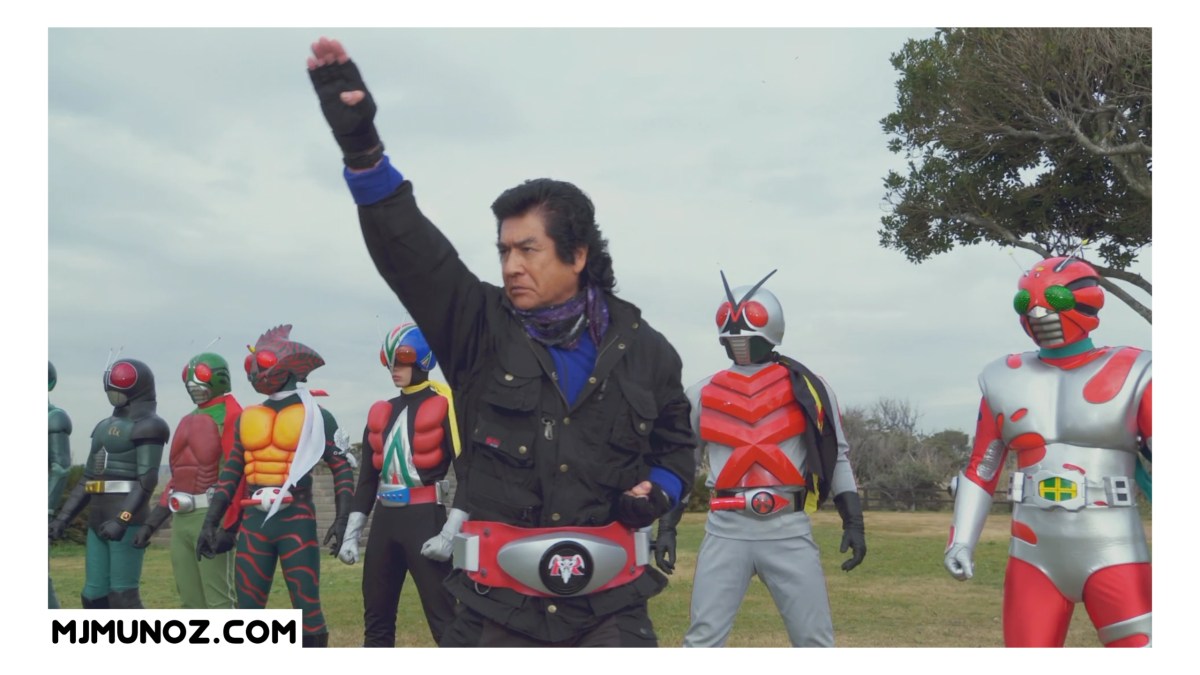
In the Kamen Rider manga, Hongo has to put on the whole suit. He’s literally in his underwear at first. Then he puts on all the Rider gear, and the mask goes on last. That’s when the power takes hold. Later, it changes. He only has to put on the mask, and the rest of the suit forms around him. You can see the evolution happening right there.
In the Gorenger manga, it’s similar. Aka Ranger puts on the full uniform piece by piece. When he pulls on the mask, that’s when his body changes. That’s when he gets his strength and speed. But the Gorenger TV show does it differently. From what I found when I looked it up, they spin or jump in place, kind of like Lynda Carter’s Wonder Woman, when they transform or break the transformation. It’s a fun detail, but it’s also important. They have a ritual but no device. That’s what makes them stand apart.
Ultraman started with only a trigger, the Beta Capsule. Kamen Rider started with a device and then built the ritual. Gorenger came a few years later, mid-70s, around 1975, and flipped the pattern completely. No device, all ritual. And that’s fascinating to me. You can almost see the grammar of transformation solidifying right there, how henshin stories were figuring out their language one step at a time.
Why Ritual Persists
I have to admit something that might sound like heresy to some fans. I don’t always like the long transformation jingles in modern Kamen Rider. The animations, the sound clips, the toy gimmicks—sometimes it feels like the ritual has turned into a commercial. I get why. These shows are made for kids, and the real money is in merchandise. I don’t want to be cynical, but it’s there. You can tell when the focus shifts from storytelling to selling.
Later in a season, the transformations get shorter. The characters might morph while running or mid-fight. It’s a reminder that the story can move faster, but the ritual never disappears. Even if layers of marketing have built up around it, the heart of transformation is still the same.
The real purpose of a henshin ritual is to bridge the gap between who you are now and who you need to become. That’s the core of it. It’s why fans love it. It’s why it hits us every single time. That pause before the fight, that shout, that pose—it’s the moment where the hero draws themselves up to their full mythic height. It’s not just a power-up; it’s a reckoning. It’s saying, this is who I have to be now.
We love these heroes because they do what we all wish we could do. Every one of us sees ourselves as the hero of our own life. In that split second before the transformation, when the hero calls their name or shouts “Henshin!”, we see the thing we want most: the power to stand up, face what’s killing us, and fight back.
It’s catharsis. It’s a power fantasy, but it’s also a statement of hope. Whether it’s Sho Fukamachi facing Chronos, Justin living his dream as the Blue Turbo Ranger, or Riders One and Two transforming so no one else suffers like they did—it’s all the same. It’s the hope to be more, to do more, to rise higher than circumstance allows. The ritual is the catalyst. It’s the act of forming will, of speaking intent out loud, of turning resolve into reality.
That’s why ritual still matters. That’s why it survives every reboot and reinvention. Because transformation, on screen, in story, and in life, needs a moment where we stop, breathe, and decide who we’re going to be next.
Thanks for reading and reflecting with me. What say you, fellow traveler? Drop a comment below or if you’re on Twitter, tag me @MJ_Scribe.
If you’re looking for something with magical creatures, high stakes, and a whole lot of heart, check out Mockwing Mayhem. Learn more at grobugs.com.
You can find more of my reviews, book reflections, and stories with spine at mjmunoz.com.
 MJ Muñoz