
Kamen Rider Zeztz 16 – Rider Tears
Watch Analysis
If you are feeling conflicted about everything that happened in Episode 16 of Kamen Rider Zeztz, I do not blame you. I think that is exactly where the writers wanted us. And honestly, that is where I am too.
There is a lot to be conflicted about in this episode. There is a lot to go back and forth on. This could easily turn into a very long discussion. But instead of trying to cover everything, I want to focus in on one thing.
Did Baku make the right choice trusting Zero?
That is the part of this episode that has me the most conflicted right now.
Why I Do Not Trust Zero
I have not trusted Zero for a long time. Nox is an enemy. Odaka is an enemy, or at the very least he is acting in alliance with the Nightmares. And the Nightmares are actively harming people.
There is something that feels off about the way Zero is telling Baku to operate. He is asking for loyalty without questioning. He is asking Baku to follow orders, even orders that involve killing someone, without explanation.
When Zero finds out that Baku has questioned him and has not just gone ahead and killed Nox or Odaka, he is upset. That reaction matters.
There is a moment in this episode where Baku walks away from Zero in the dream, falls through the sky, and then wakes up in his bedroom in his pajamas. When I was a kid, there was this idea that if you fell in a dream and hit the ground, you would die, which is why you always wake up before hitting the ground.
Here, Baku does not hit the ground.
That feels important.
It feels like something Zero did. Like a way to put Baku in his place. A way of asserting authority. Almost like saying, how dare you question me.
That moment made me even more suspicious of Zero.
Baku’s Growth Still Matters
At the same time, I cannot ignore Baku’s growth.
He confronts Zero directly. He admits that he disobeyed orders because he does not trust him and because he wants to know what CODE is really doing. He does not just run away or rebel blindly. He stays and demands answers.
That is real maturity.
Even if I am not convinced it is the right choice, I respect that he is making the choice as a man. He is not a passive character anymore. He is not just reacting. He is choosing.
Zero even says that Baku has come a long way, and I agree with that. I just do not know if he has come a long way in the way Zero thinks he has, or in the way I think he has.
And the show does not tell us.
Silence Instead of Explanation
One thing I really appreciate is that we are not getting inner monologue from Baku explaining what he is thinking. We see moments where he is still. We see him reflect. And then we see him act.
That silence does a lot of work.
There was an earlier moment where Baku put the phone down instead of following Zero’s instructions. At the time, I wondered if he did that because he did not want to be tracked or overheard. Somehow, Zero found out anyway.
How did Zero find out?
We do not know. And that makes him even more suspicious to me.
There is also the scene where Zero does not show himself while Monami and the detectives are present. He remains a regular bike, even though we have seen him appear physically as the Zero robot before.
Why stay silent then?
Why hide?
All of that adds to the sense that Zero is withholding more than he is sharing.
Power, Control, and Convenience
Zero is clearly powerful. We see him fight Nox and disarm him in his knight armor. He is capable in the field. That raises another question.
If Zero can do this, why does he need Baku to kill for him?
Why is there always “no other option” when Baku is involved, but flexibility when Zero steps in himself?
This was not an emergency where headquarters was under attack. Zero chose to appear. He chose when to act. He chose when to withhold.
That makes his moral framing feel convenient rather than necessary.
Where I Land Right Now
So did Baku make the right choice trusting Zero?
I honestly do not know.
There is a lot of evidence that Zero should not be trusted. There is also real growth in Baku choosing to stand his ground and commit to something rather than drifting or running.
I do not like Zero.
I do like the episode.
Episode 16 was genuinely enjoyable to watch. The mysteries it sets up are compelling, and the conflicts feel earned. It also works surprisingly well as a jumping on point for new viewers, even while carrying the weight of everything that came before.
And that is why this episode works.
It is not confused.
It is conflicted.
And it wants us to be too.
Drop a comment below or tag me @MJ_Scribe on Twitter. Let’s have some fun talking about this.
If you enjoy thoughtful stories for kids and families, check out my book Mockwing Mayhem. It is a heartfelt adventure about magical bugs battling monsters and protecting children.
You can find more of my reviews, reflections, and stories with spine at mjmunoz.com, and join the mailing list there for behind the scenes updates and new releases.
Bonus Reflections
Five Ideas Worth Sitting With
These are smaller observations that grew out of Episode 16 and will be explored more deeply later.
1. You Are Supposed to Feel Conflicted
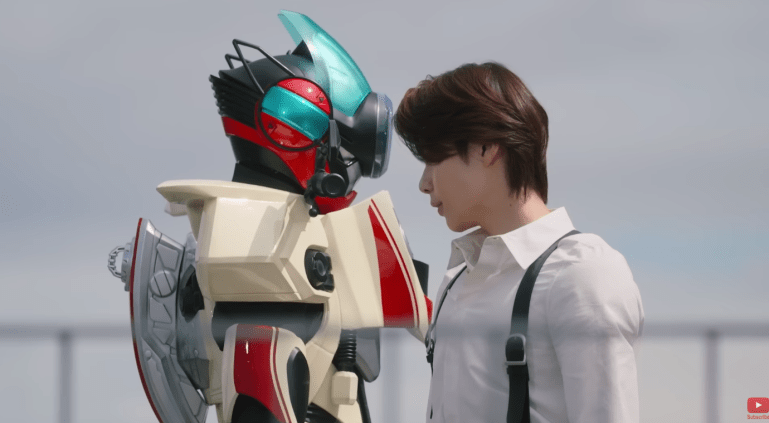
The episode is structured to make you uneasy. That emotional response is intentional and meaningful.
2. Who Is Casting the Dream

Baku, Knox, and Nem all assume specific roles and costumes in the dream world. Someone or something is assigning those identities. The show wants us to notice that pattern.
3. Knox Is More Dangerous Now That He Is Free
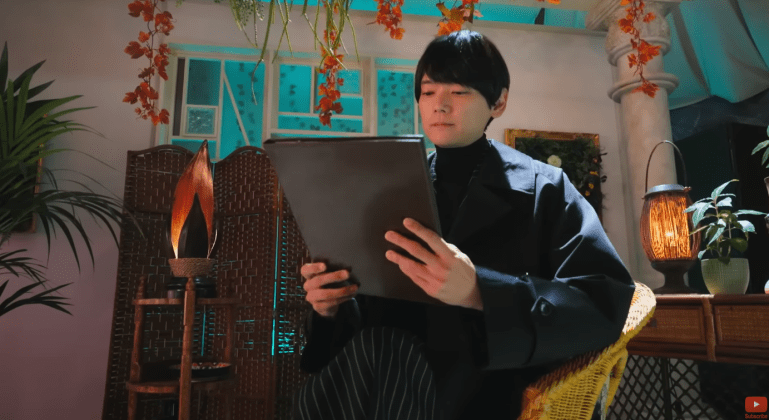
Freedom has not softened Knox. It has refined him. His control over shadow and nightmare energy makes him more frightening, not less.
4. The Colors Are Telling a Story
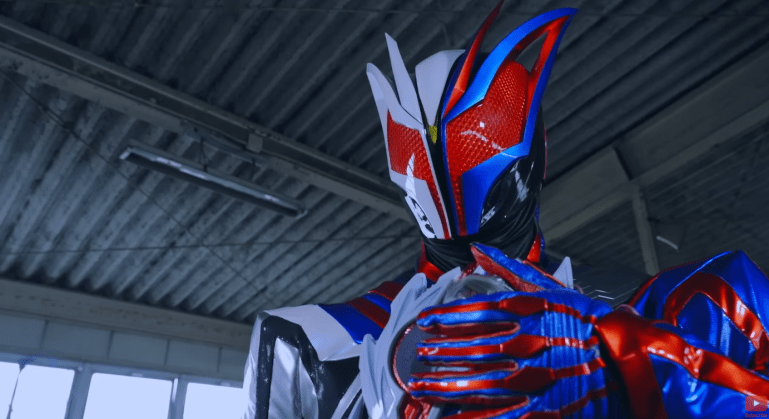
White, black, red, and blue are not random. The visual language of the suits reflects internal conflict, restraint, impulse, and fractured identity.
5. The Lady Is Not a Protector

Her imagery is not nurturing. She harvests nightmares, breaks vessels, and speaks of freedom in ways that feel predatory rather than liberating.
 MJ Muñoz