Ultraman Omega 11 – Going Ultra – Presented by Henshin Inspection
The video and audio above contain the full unfiltered analysis. What follows is the razor focused version of the strongest point I had to make.
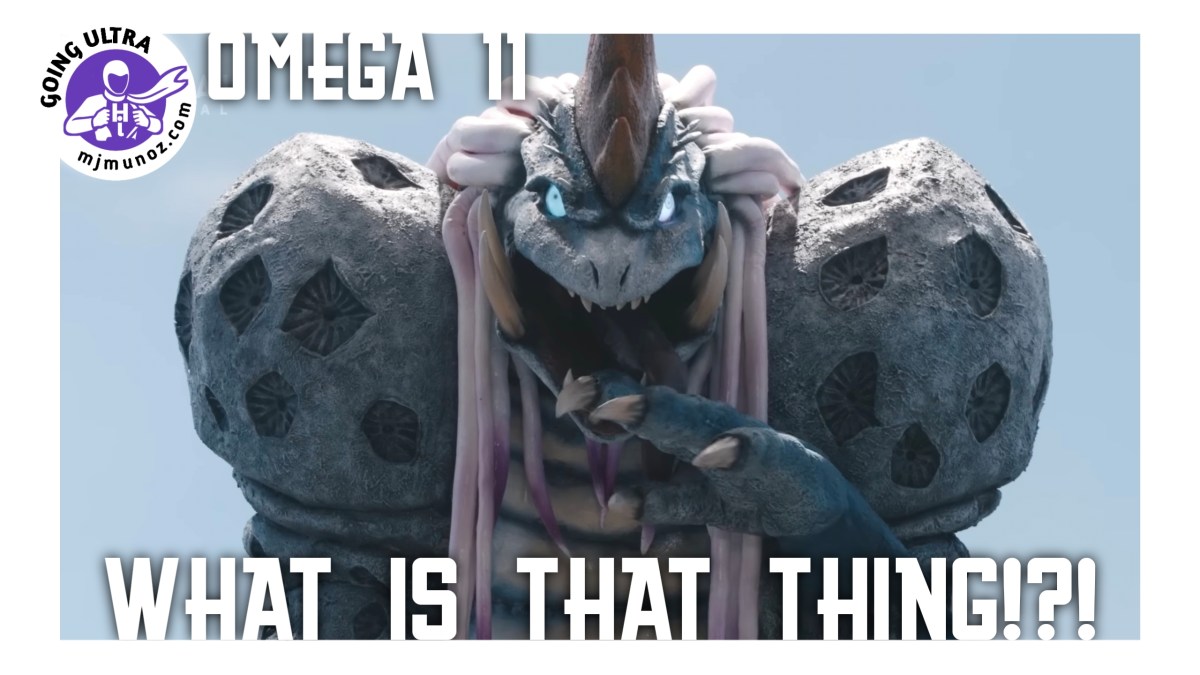
Ultraman Omega Episode 11 Introduces a TERRIFYING Kaiju
Ultraman Omega Episode 11 does some things really great, and it does some things really horribly.
But the thing it does best is make this new kaiju genuinely scary.
The Episode Builds Unease Early
When I first saw this thing, I immediately thought: is this a horror episode?
The episode spends a surprising amount of time building unease before the monster fully appears. Sorato keeps feeling like something is wrong. Even during the intro transition, there are these distant footsteps in the background that reminded me of the Tyrannosaurus Rex in Jurassic Park.
Something is coming.
And because the episode spends time building that feeling beforehand, the reveal works much better.
This Kaiju Feels Wrong
When the kaiju finally appears, it feels horrible in the best possible way.
The design is creepy, aggressive, and unnatural. It almost feels less like a normal weekly kaiju and more like some sort of finale monster.
The creature kills and consumes Graim, then integrates Graim into its own body. Graim’s horn becomes part of the creature’s physiology and weaponry.
That is body horror.
And the episode understands that.
The Body Horror Actually Works
The strange tail, the membrane looking structures, and the way the camera lingers on parts of the design for an extra second all work together to make this thing feel wrong.
The tail especially stood out to me because the camera lingers on it before we fully understand what it does. Then later, when the creature attacks Graim, that giant membrane like structure extends over him in this really grotesque way.
For a tokusatsu sci fi story, it totally works.
The entire design feels built around making the audience uncomfortable.
Omega Finally Feels Overpowered
The creature apparently kills Omega.
That matters.
It consumes another kaiju. It overwhelms everything around it. Omega shrinks back down, Sorato collapses in Kosei’s arms, and the whole sequence creates this atmosphere of dread and escalation.
That stuff is genuinely effective.
Kosei Is Still Omega’s Biggest Weakness
Unfortunately, the episode also continues one of Omega’s biggest recurring problems.
Kosei is constantly being pushed into acting petulantly and childishly in ways that do not feel natural.
The performance itself is mostly good, both in Japanese and in the dub, but the writing keeps forcing the character into artificial drama. It feels less like believable characterization and more like the script needs someone to make bad decisions so certain plot points can happen.
That contrast is frustrating because the horror material in this episode is genuinely strong.
“What IS That Thing?!” Is the Correct Reaction
This is one of the first times in Ultraman Omega where a kaiju truly felt dangerous.
And honestly, “What IS that thing?!” feels like the correct response.
What Say You?
Does this kaiju design give you chiils?
Does the good outweigh the bad?
Do you think Kosei is being misused?
Let me know what you think.
All Zeztz Analysis | All Omega Analysis | Project R.E.D. Analysis
Drop a comment below or tag me @MJ_Scribe on Twitter. Let’s have some fun talking about this.
If you enjoy thoughtful stories for kids and families, check out my book Mockwing Mayhem. Its a heartfelt adventure about magical bugs battling monsters and protecting children.
You can find more of my reviews, reflections, and stories with spine at mjmunoz.com, and join the mailing list there for behind the scenes updates and new releases.
Dive deeper with Inspector’s Notes:
Is Kosei a Joke?
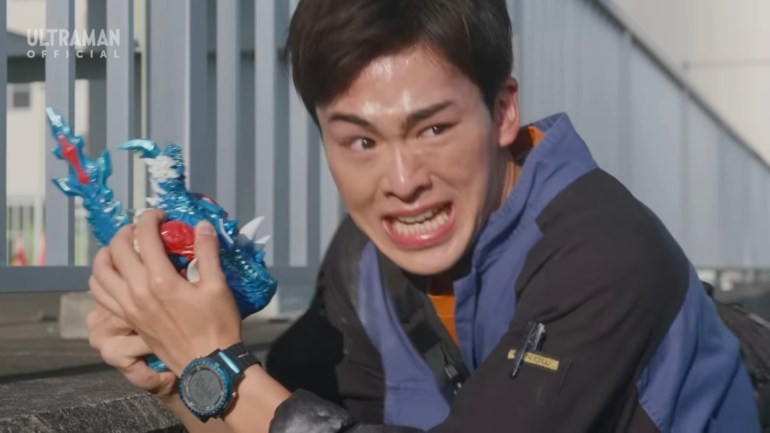
One of the most frustrating things about Ultraman Omega is that Kosei clearly was not designed to be a joke character.
There is real emotional grounding in his story. The show gave him meaningful setup early on and there is genuine emotional material to work with. That is why it feels so strange when the series repeatedly pushes him into acting dumb, petulant, childish, or emotionally uncontrolled.
It creates this weird contradiction where Kosei feels less like a naturally developing character and more like a plot contrivance machine.
That is the part that keeps repelling me from the show.
Because I actually do respect Ultraman Omega quite a bit. I think the effects are strong. I think the storytelling is often good. I think the production team usually sells the emotional material well.
But the handling of Kosei keeps undermining that.
It feels like the show keeps taking an interesting character and turning him into a mockery of himself for reasons I genuinely do not understand.
And Episode 11 brought that frustration back to the surface again.
Is This the Soul of Tokusatsu?
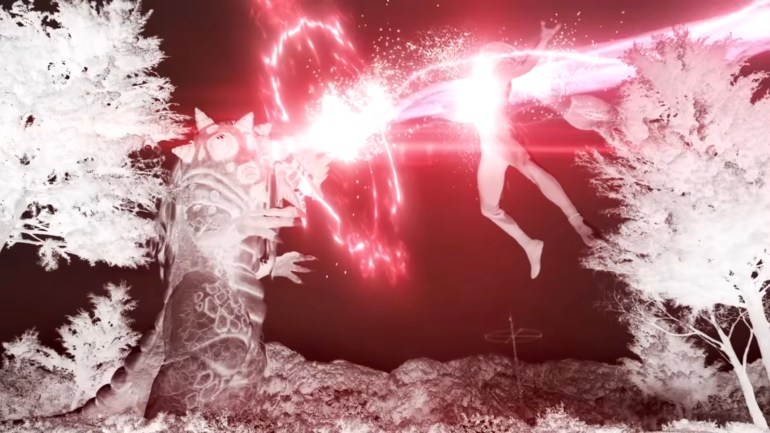
Whatever problems I may have with Ultraman Omega, the visuals are not one of them.
There is a shot in Episode 11 where Omega appears to die, and the way the scene is executed just feels quintessentially tokusatsu to me.
At the end of the day, this is:
- two guys in suits
- wire work
- practical effects
- lighting tricks
- animated beam effects
And yet the final result feels emotionally huge.
The image where the lighting flips into that photo negative style effect hit me hard because it perfectly captures what tokusatsu is good at doing: making the unreal feel real.
That is the soul of tokusatsu to me.
Using limited tools creatively. Combining practical filmmaking techniques, suit acting, effects work, staging, lighting, and editing to create something emotionally impactful.
The scene sells the idea that Omega may actually have died.
Not because it is realistic, but because the craftsmanship and presentation make the moment feel emotionally true.
And honestly, I think that is really cool.
Did You Feel His Terror?
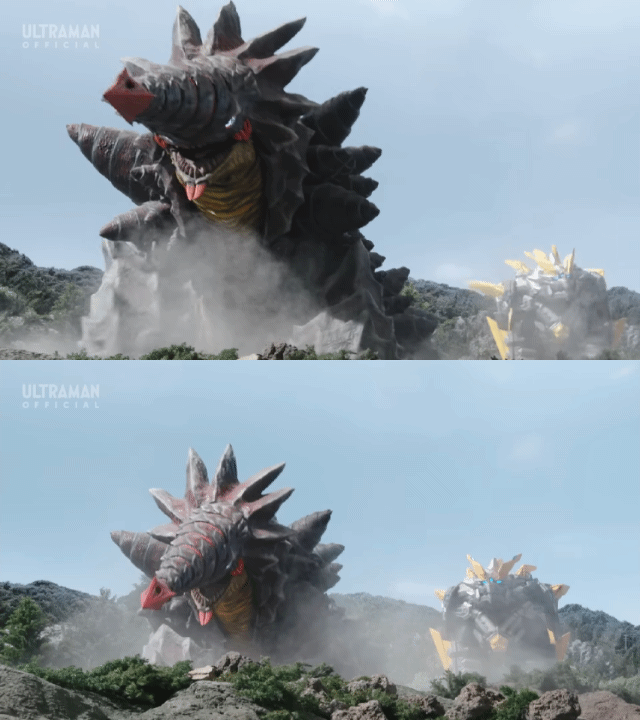
One of the smartest things Episode 11 does is make Graim feel afraid.
Before this sequence, Graim is mostly just another kaiju. But once the new creature appears, everything changes.
Graim looks up at it, recoils, lowers its head, and physically backs away in panic. The movement is simple, but it communicates fear extremely well.
And I felt it.
The scene suddenly transforms Graim from “monster to fight” into a creature desperately trying to survive something worse than itself.
That is important because it immediately tells the audience how dangerous this new kaiju really is.
The episode does not just tell us the creature is terrifying.
It shows us another kaiju being terrified of it.
And that sequence works extremely well because of how simple and readable the body language is.

